

How Freelancers and Gig Workers Can Save Tax in India: 2025 Step-by-Step Guide
-

- by MI September 22, 2025
Freelancers and gig economy workers are a rapidly growing part of India’s workforce. While this offers flexibility and higher earning potential, tax compliance can be tricky. In 2025, understanding the latest income tax rules, deductions, and exemptions is essential for freelancers to optimize their tax liability.
1. Understand Your Tax Liability
- Income from freelancing is considered “Profits & Gains from Business or Profession” under the Income Tax Act.
- Maintain proper books of account if income exceeds ₹2.5 lakh per year.
- Choose between old or new tax regime – old regime allows deductions (80C, 80D, etc.) which help save tax.
2. Key Tax-Saving Sections for Freelancers (2025)
| Section | What it Covers | Limit / Notes |
|---|---|---|
| 80C | PPF, ELSS, life insurance, NSC, tuition fees | Up to ₹1,50,000 |
| 80D | Health insurance for self and family | ₹25,000 (₹50,000 for senior citizens) |
| 80TTA | Interest on savings bank accounts | Up to ₹10,000 |
| 80E | Interest on education loans | No upper limit |
| 10(14) | Professional allowances (reimbursed by clients) | As per proof submitted |
| Depreciation | Laptops, cameras, office equipment | Calculated as per IT rules |
| Business Expenses | Internet, software, office rent, travel | Fully deductible if business-related |
3. Step-by-Step Guide to Reduce Tax
- Maintain proper accounts – invoices, receipts, and bank statements.
- Claim business-related expenses: software, hardware, subscriptions, travel.
- Invest in tax-saving instruments: Section 80C, 80D.
- Advance Tax: pay quarterly if taxable income > ₹10,000.
- Use professional help: accountant or tax advisor for deductions and depreciation.
Freelancer Expense Examples & Deductible Amounts (2025)
| Expense Type | Description | Deductible Amount / Limit |
|---|---|---|
| Internet & Mobile | Monthly internet bills, mobile usage for work | 100% if used for business |
| Software & Subscriptions | Design, accounting, project management, editing tools | 100% of subscription cost |
| Home Office Expenses | Electricity, rent proportionate to office space | Proportionate % based on office area |
| Professional Equipment | Laptops, cameras, microphones, office furniture | Depreciation as per IT rules |
| Travel & Transportation | Client meetings, business travel, fuel | Actual cost if business-related |
| Training & Education | Online courses, certifications for skill improvement | 100% if related to profession |
| Bank Charges | Bank fees, payment gateway charges for freelance payments | 100% deductible |
| Professional Fees | Accountant, tax consultant, legal services | 100% deductible |
4. Filing Income Tax for Freelancers
- Use ITR-3 or ITR-4 depending on accounting method.
- Maintain all supporting documents.
- File advance tax if liability exceeds ₹10,000.
- Ensure PAN is linked with Aadhaar and GST registration if applicable.
5. Common Mistakes to Avoid
- Not maintaining invoices or proof of expenses.
- Mixing personal and business expenses.
- Ignoring GST registration when required.
- Late payment of advance tax leading to penalties.
Conclusion
Freelancers and gig workers can legally reduce tax liability by maintaining proper records, claiming allowable deductions, and investing in tax-saving instruments. Understanding 2025 tax rules and proactively paying advance tax ensures compliance and maximizes savings.
See More Related Blog
Aadhaar and Income Tax: Linking PAN and Filing ITR in 2025
-
- by MI
In 2025, linking your Aadhaar card with PAN is mandatory for filing Income Tax Returns (ITR) in India. Aadhaar-PAN linking ensures seamless verification, reduces tax…

Section 54: How to Save Capital Gains Tax on Property Sales in 2025
-
- by MI
Selling a property in India can attract long-term capital gains tax (LTCG) if held for more than 24 months (residential property). However, under Section 54 of the…
Advance Tax vs Self-Assessment Tax: Key Differences Explained
-
- by MI
Many taxpayers in India get confused between Advance Tax and Self-Assessment Tax. While both involve paying taxes directly to the government, they differ in terms of…
How to File Income Tax for Senior Citizens in 2025
-
- by MI
Senior citizens (60 years and above) enjoy higher exemption limits and special deductions while filing income tax in India. This guide explains, step by step, how senior…

How to Claim Home Loan Tax Benefits under Section 24(b) and 80C in 2025
-
- by MI
Buying a home is one of the biggest financial decisions in India, and the government provides multiple tax benefits on home loans to reduce the burden on taxpayers.…

Agricultural Income and Taxation Rules in India 2025
-
- by MI
Agriculture continues to be a backbone of the Indian economy, and the government provides special income tax exemptions to support farmers. However, agricultural income…
Impact of GST 2.0 on Income Tax Collections in India: 2025 Analysis
-
- by MI
The implementation of GST 2.0 in India marks a significant step towards tax simplification and improved compliance. While GST primarily affects indirect taxation, it…

Section 87A Rebate: Eligibility and Tax Savings in 2025
-
- by MI
Section 87A of the Income Tax Act provides a tax rebate for resident individuals with income below a certain threshold. Understanding eligibility, rebate amount, and tax…

House Property and Rental Income: Taxation Rules in 2025
-
- by MI
Rental income from house property is a common source of income in India. Understanding how house property income is taxed, deductions allowed, and filing rules is…
How NRI Income Tax Rules Work in India: 2025 Guide
-
- by MI
Non-Resident Indians (NRIs) have unique tax obligations in India. Understanding NRI income tax rules, exemptions, and filing requirements is crucial to stay compliant in…

Capital Gains Tax in India 2025: Short-Term vs Long-Term Explained
-
- by MI
Capital gains tax is a crucial part of India’s income tax system. Whether you are an investor in stocks, mutual funds, or real estate, understanding the difference…

Advance Tax Payment in India: Due Dates, Calculation & Penalties 2025 Guide
-
- by MI
Advance Tax is a system where taxpayers pay their tax liability in installments instead of a lump sum at the end of the financial year. This ensures timely collection of…

TDS (Tax Deducted at Source) Explained: Rules, Rates & Latest Changes 2025
-
- by MI
Tax Deducted at Source (TDS) is a key part of India’s taxation system. It ensures tax is collected directly from the source of income, preventing evasion and improving…

Complete Guide to Income Tax Deductions and Exemptions in 2025
-
- by MI
This guide explains the most important deductions and exemptions available to taxpayers in India in 2025 (FY 2024–25 / AY 2025–26), how to claim them step-by-step,…
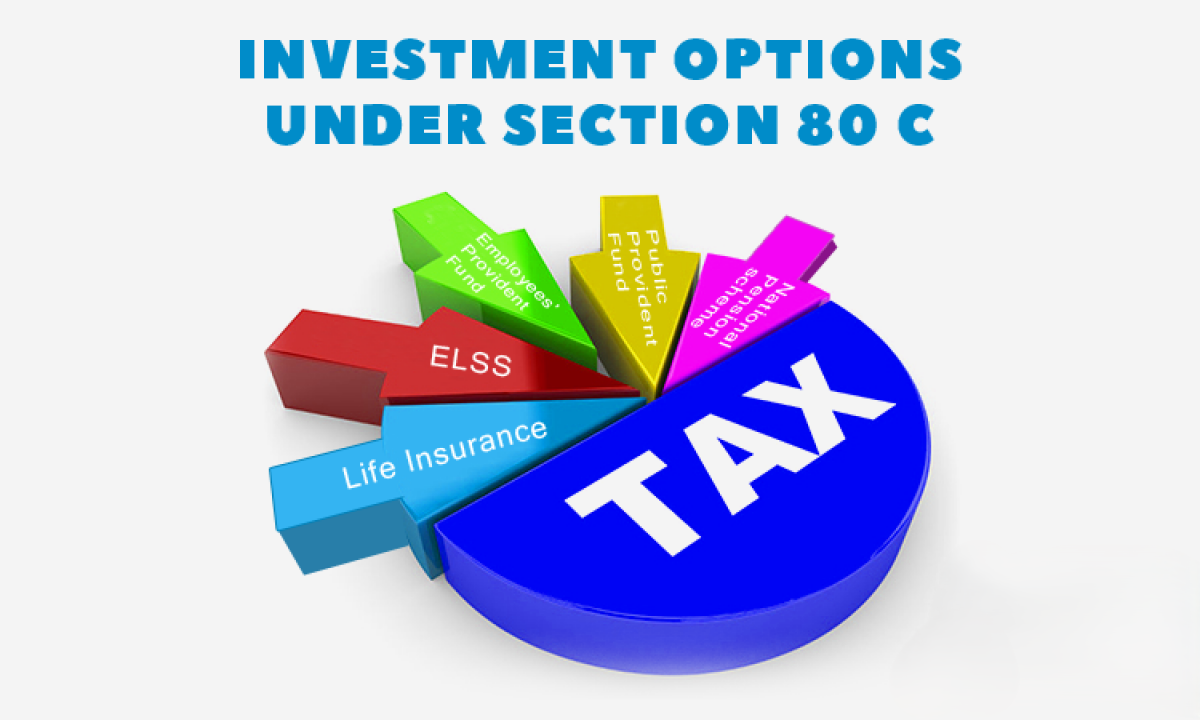
Top Tax-Saving Investments Under Section 80C for FY 2024-25 | Best Options for Maximum Savings
-
- by MI
When it comes to reducing your income tax liability, Section 80C of the Income Tax Act is the most widely used option by salaried employees and taxpayers in India. For…
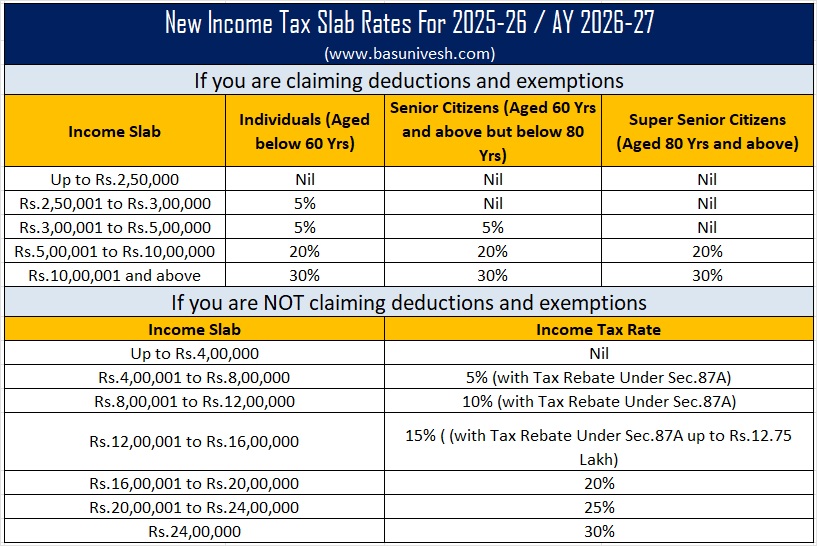
Income Tax on Salaried Employees: Deductions, Rebates, and Exemptions 2025
-
- by MI
The financial year 2024–25 (Assessment Year 2025–26) brings several important updates for salaried employees in India. With reforms in the Income Tax Act, choosing…
Step-by-Step Guide to Filing Income Tax Returns (ITR) Online in 2025
-
- by MI
Filing your Income Tax Return (ITR) online has become easier than ever in 2025, thanks to digital initiatives by the Income Tax Department. The process is completely…

Old vs New Tax Regime 2025: Which One Should You Choose?
-
- by MI
With the government continuing to promote the new tax regime in 2025 as the default option, taxpayers are left with an important question – Old vs New Tax Regime: Which…

Income Tax Slabs in India 2025: Latest Updates and Comparison with 2024
-
- by MI
The Indian government announces Income Tax Slabs every year during the Union Budget. For FY 2025–26, the government has retained the focus on the new simplified tax…
Comments
Add new comment