
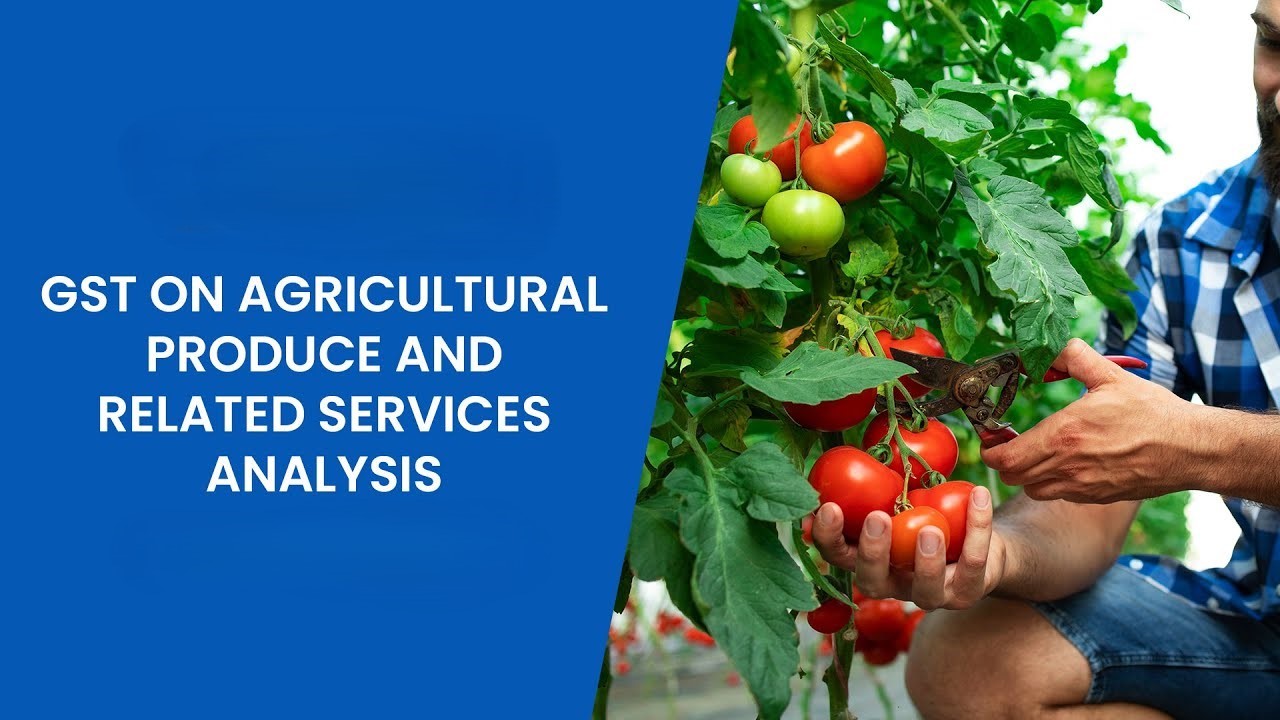
GST on Agricultural Exports: Cotton, Rice, and Spices Explained
-

- by MI
Agriculture has always been the backbone of India’s economy, and agricultural exports like cotton, rice, and spices play a significant role in foreign trade. With GST 2.0 in 2025, exporters must understand the tax treatment, exemptions, and refund processes applicable to agro-commodities. This guide explains the GST rules for key agricultural exports.

GST on the Entertainment Industry: OTT, Cinema, and Live Events
-
- by MI
The entertainment industry in India has undergone a massive transformation in recent years, with OTT platforms, multiplex cinemas, and live events becoming key contributors to its growth. With the introduction of GST 2.0 in 2025, understanding how GST applies to different entertainment sectors is crucial for both businesses and consumers.
GST 2.0 and Government Revenue: Boost or Burden?
-
- by MI
Since its introduction in 2017, the Goods and Services Tax (GST) has been one of the most significant tax reforms in India. With the rollout of GST 2.0 in 2025, the government aims to simplify compliance, expand the tax base, and improve transparency. But the big question remains: Will GST 2.0 act as a revenue booster or create a compliance burden?
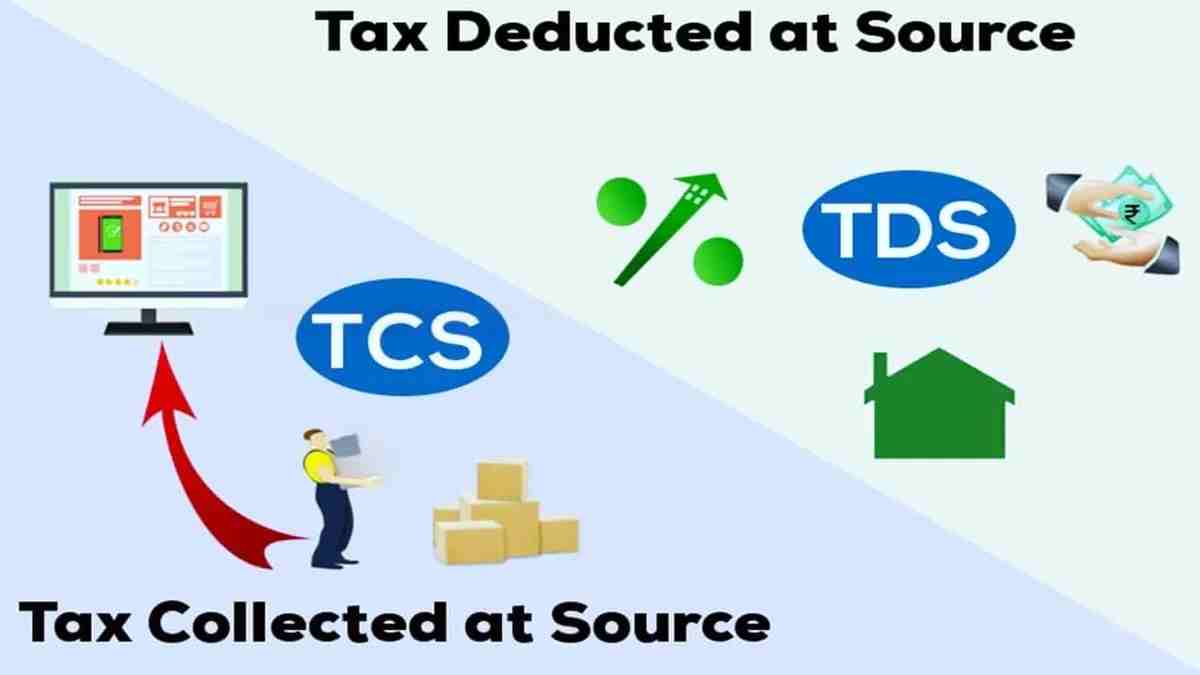
Understanding GST TDS and TCS Rules in 2025
-
- by MI
The Goods and Services Tax (GST) framework in India not only focuses on tax collection but also ensures transparency through mechanisms like TDS (Tax Deducted at Source) and TCS (Tax Collected at Source). In 2025, these rules continue to play a crucial role in compliance, monitoring transactions, and revenue collection.
Difference Between Central Tax and State Tax under GST
-
- by MI
The Goods and Services Tax (GST) in India is divided into two parts – Central Tax and State Tax. This dual tax structure ensures that both the Central Government and State Governments receive revenue for development and administration.
GST 2.0 and Its Effect on Corporate Tax Planning in India
-
- by MI
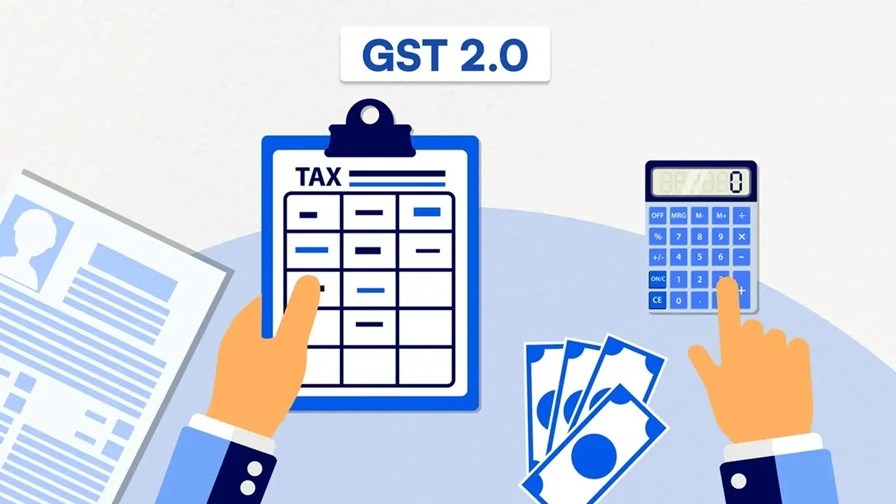
With the introduction of GST 2.0 in 2025, corporate tax planning in India has undergone significant changes. Businesses must now rethink their financial strategies, tax optimization, and compliance models. This blog explores how GST 2.0 is reshaping corporate tax planning and what companies should focus on to remain tax-efficient and compliant.
GST on Petroleum Products: Will It Come Under GST in 2025?
-
- by MI
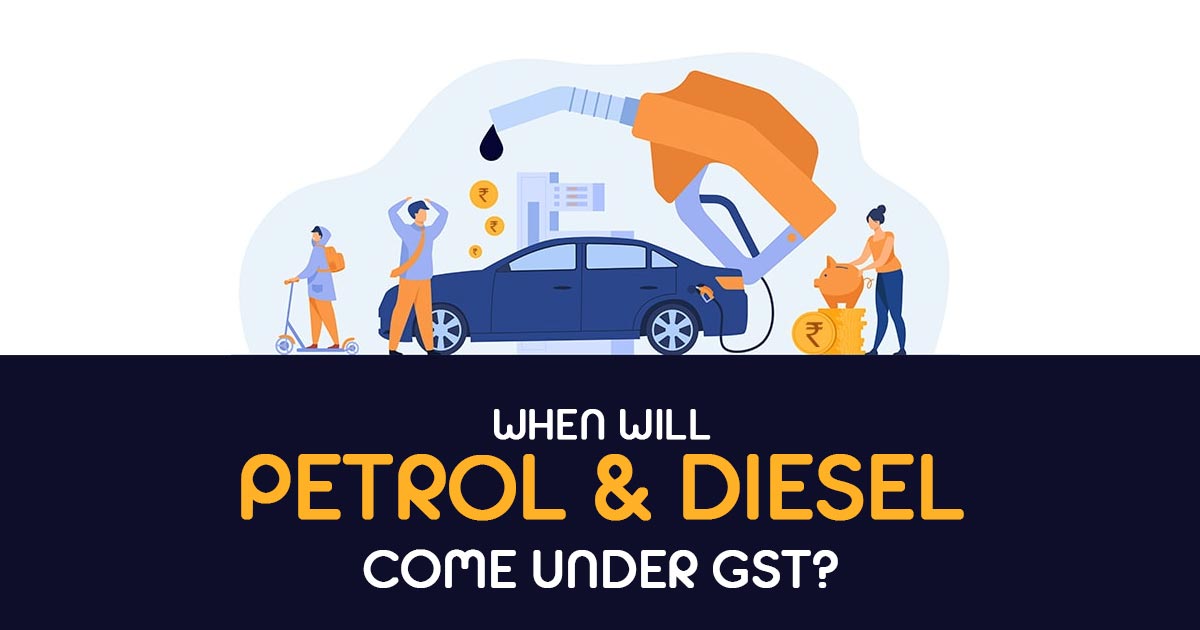
One of the most debated topics in India’s taxation system is whether petroleum products like petrol, diesel, LPG, and natural gas should be brought under the ambit of GST (Goods and Services Tax). As of now, petroleum is kept outside GST, with states levying their own VAT and excise duties, leading to high and uneven fuel prices.
How GST Shapes Retail Pricing in the Indian Consumer Market in 2025
-
- by MI
The retail sector in India is one of the fastest-growing industries, contributing significantly to GDP and employment. With the implementation of GST (Goods and Services Tax) and its updated version, GST 2.0 in 2025, retail pricing across categories like FMCG, fashion, electronics, and consumer durables has undergone a major transformation. This blog explains how GST impacts retail prices and what it means for both consumers and retailers.
Impact of GST 2.0 on India’s EV (Electric Vehicle) Market in 2025
-
- by MI
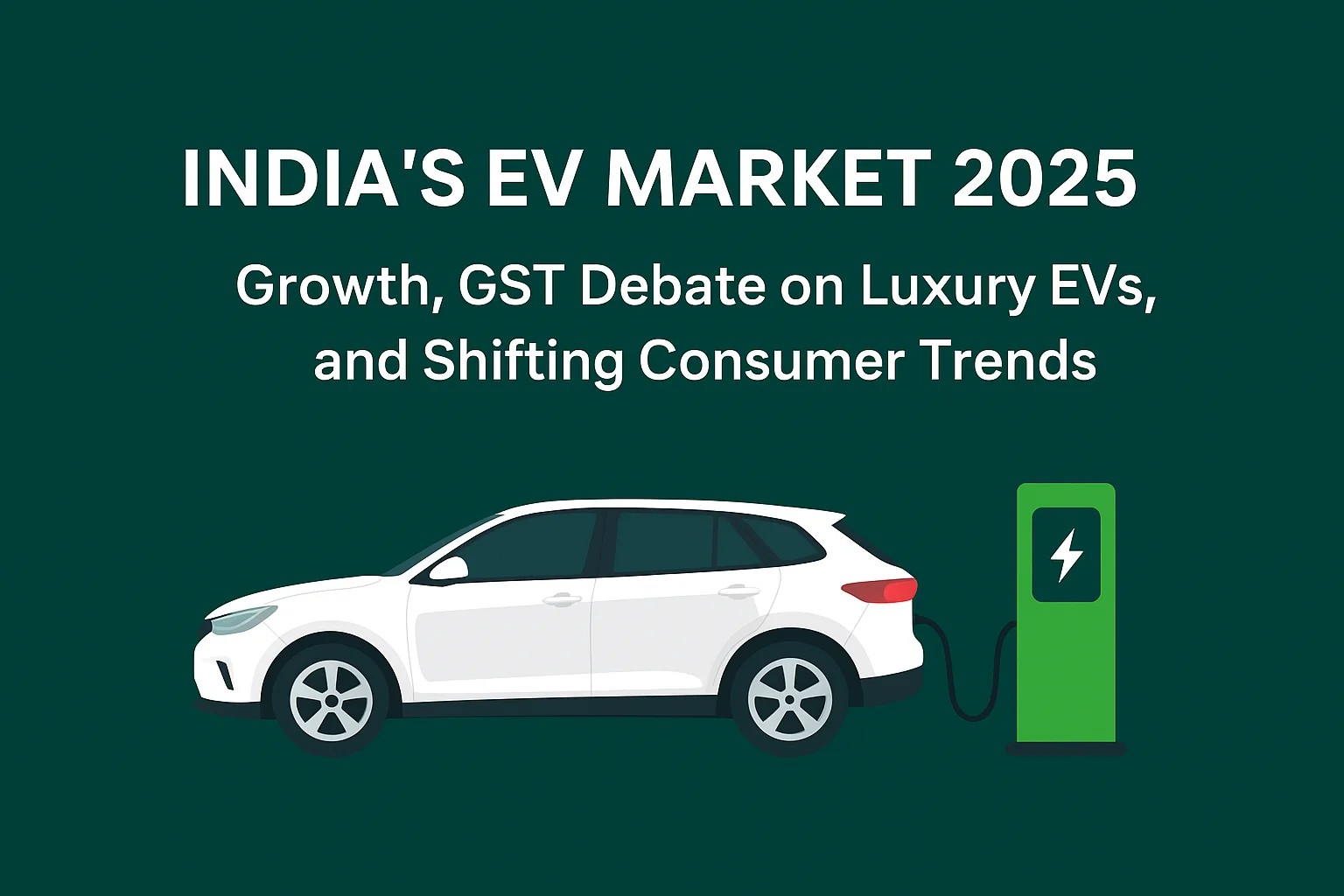
The electric vehicle (EV) market in India is witnessing rapid growth, driven by government incentives, rising fuel costs, and consumer awareness of sustainable mobility. In 2025, the introduction of GST 2.0 is set to influence EV pricing, adoption, and manufacturing. For EV makers, buyers, and ecosystem players, understanding the impact of GST 2.0 on electric vehicles is crucial.
GST 2.0 and Ease of Doing Business: Benefits for MSMEs
-
- by MI
Micro, Small, and Medium Enterprises (MSMEs) are the backbone of India’s economy, contributing nearly 30% to GDP and employing millions. However, compliance and taxation have often been major challenges for these businesses. With the introduction of GST 2.0 in 2025, the government aims to simplify taxation and make it easier for MSMEs to grow, compete, and expand.
How GST Affects the Indian FMCG Sector: Price and Compliance Changes in 2025
-
- by MI
The Fast-Moving Consumer Goods (FMCG) sector is a critical part of India’s economy, covering products like packaged foods, beverages, personal care items, and household goods. With GST 2.0 in 2025, the sector has seen significant changes in taxation, pricing, and compliance requirements.
GST 2.0 and Ease of Doing Business in India (2025)
-
- by MI
India has made significant progress in improving its ease of doing business, and GST 2.0, implemented in 2025, is a major step in that journey. By simplifying tax filing, streamlining compliance, and reducing costs for businesses, GST 2.0 has created a more transparent and business-friendly environment for startups, SMEs, and large corporations alike.