
Common GST Filing Mistakes and How to Avoid Them in 2025
-

- by MI
Filing GST correctly is crucial for businesses to avoid penalties and ensure smooth compliance. With GST 2.0 in 2025, many businesses are still making avoidable mistakes. Here’s a comprehensive guide on the most common GST filing mistakes and practical tips to avoid them.
How GST 2.0 Is Making E-Invoicing Mandatory for SMEs in 2025
-
- by MI
Learn how GST 2.0 is making e-invoicing mandatory for SMEs in 2025. Step-by-step guide on compliance, benefits, and how small businesses can adopt e-invoicing.
Understanding Reverse Charge Mechanism (RCM) in GST 2.0
-
- by MI
The Reverse Charge Mechanism (RCM) under GST 2.0 is a key provision that shifts the liability to pay tax from the supplier to the recipient. This system ensures compliance in cases where suppliers are unregistered or specific services require reverse charge. Here’s a detailed guide to RCM under GST 2.0 in 2025.

How to Claim Input Tax Credit (ITC) Under GST 2.0: Step-by-Step Guide
-
- by MI
Learn how to claim Input Tax Credit (ITC) under GST 2.0 in 2025. Step-by-step guide for businesses, eligibility, and tips for faster ITC claims.

GST Refund Process in 2025: Step-by-Step Guide for Businesses
-
- by MI
Under GST 2.0 in 2025, claiming refunds has become more streamlined and digitalized. Businesses can now process refunds faster, with automated validations reducing errors and delays. This guide provides a step-by-step explanation of the GST refund process for businesses.
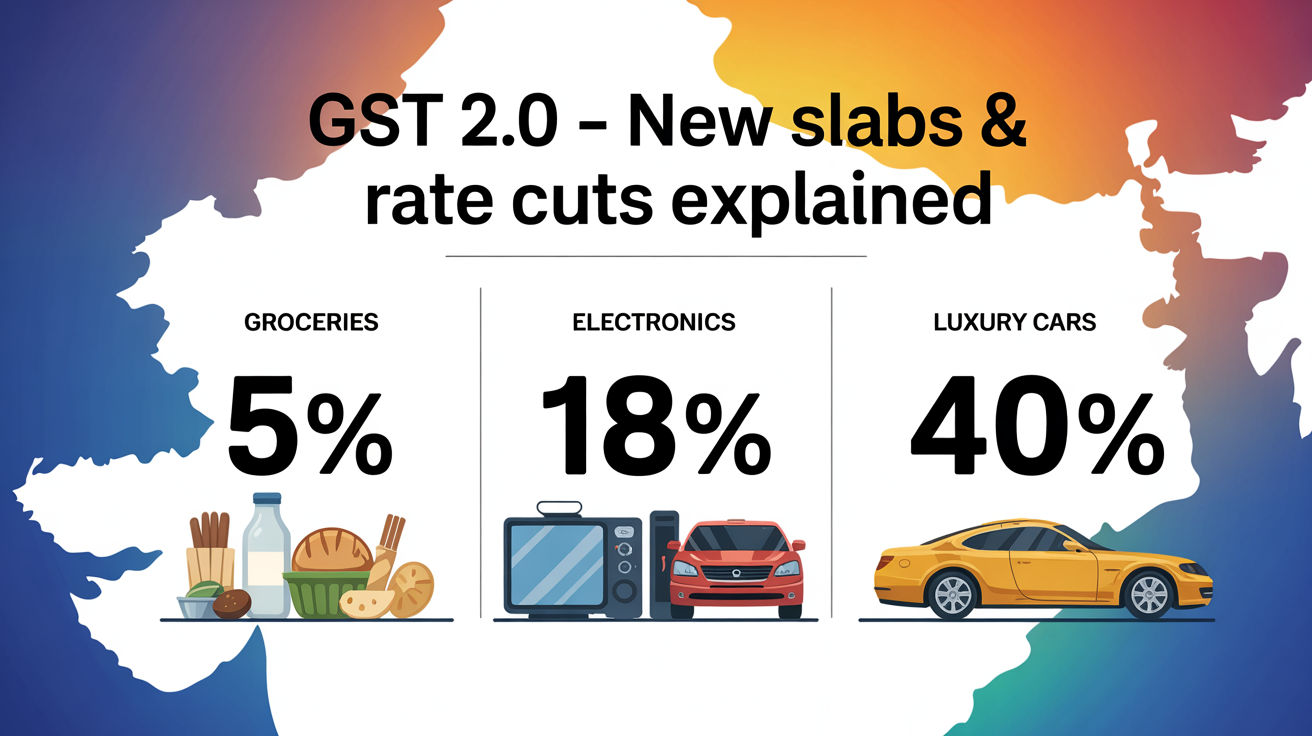
GST 2.0 Tax Rates 2025 | Percentage of GST Slabs Explained
-
- by MI
The introduction of GST 2.0 in 2025 has simplified India’s taxation system. One of the major updates is the revised GST percentage slabs applied to goods and services. In this blog, we explain the GST 2.0 percentage rates, their impact, and how they differ from the old GST system.

How GST Impacts the Price of Gold and Jewelry in 2025
-
- by MI
Gold and jewelry hold a special place in Indian households, both as an investment and a tradition. With the rollout of GST 2.0 in 2025, buyers and jewelers are curious about how tax changes will influence the final price of gold and ornaments. Let’s break down the impact of GST on gold, diamond jewelry, and making charges.

Future of GST in India: Digitalization, Automation, and Beyond
-
- by MI
The Goods and Services Tax (GST) has been one of the most significant tax reforms in India. With GST 2.0 on the horizon and rapid adoption of technology, the future of GST is moving toward complete digitalization, automation, and AI-driven compliance. Let’s explore how GST is expected to evolve in India beyond 2025.

How GST 2.0 Will Change the Way Businesses File Returns in 2025
-
- by MI
The introduction of GST 2.0 in 2025 marks a new era in India’s taxation system. One of the biggest reforms under GST 2.0 is the simplification of return filing. Businesses, whether small traders or large enterprises, will experience faster, automated, and more transparent compliance processes.

GST 2.0 Car Price List 2025 | Before and After Price Comparison of Maruti, Hyundai, Tata, Mahindra, Honda
-
- by MI
The introduction of GST 2.0 has brought noticeable changes in the automobile sector. Car buyers and manufacturers are closely tracking the new tax rates, which affect the final on-road prices of vehicles. In this blog, we compare car prices before and after GST 2.0 across leading brands like Maruti Suzuki, Hyundai, Tata Motors, and Mahindra.
Automobile Prices in India 2025: Trends, Factors, and Buyer’s Guide
-
- by MI
The Indian automobile industry is one of the fastest-growing markets in the world. With rising demand for cars, bikes, and electric vehicles, consumers are keenly tracking automobile prices in India 2025. Prices are influenced by factors like government policies, raw material costs, new technologies, and market demand. Let’s dive into the current trends and what buyers should know.
GST vs GST 2.0: Key Differences, Features, and Impact on Indian Businesses
-
- by MI
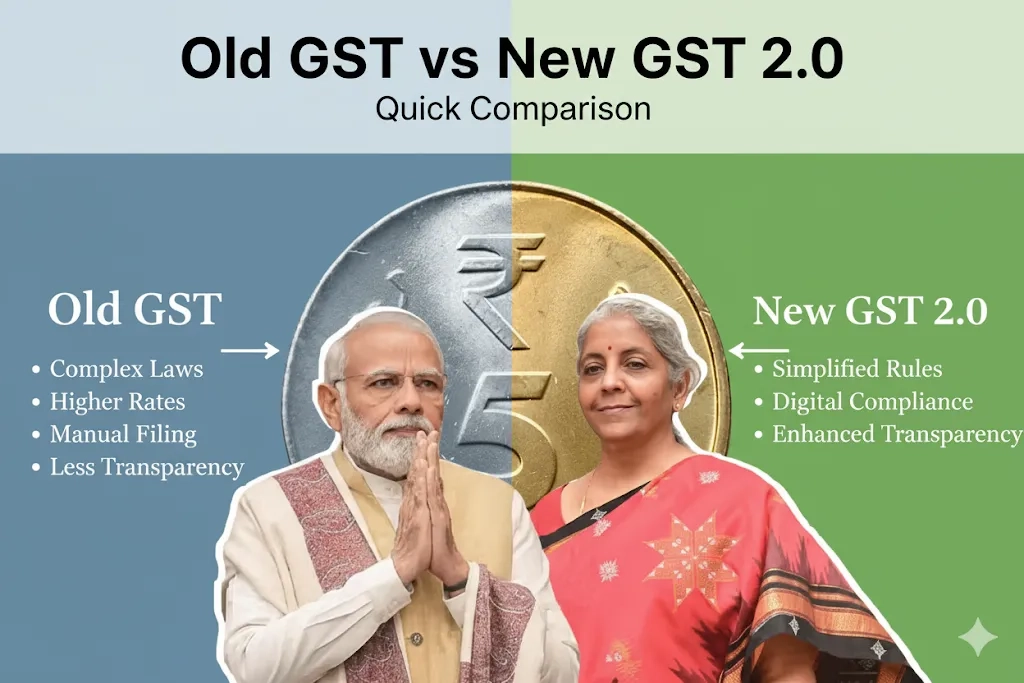
The Goods and Services Tax (GST), introduced in India in July 2017, was one of the biggest tax reforms in the country’s history. While GST streamlined the indirect tax structure, businesses and taxpayers faced compliance challenges over the years. To overcome these issues, the government is rolling out GST 2.0 in 2025 — a more simplified and technology-driven version of GST.